
Methane
Methane Reduction

Genetics for a more sustainable future
- Reliable data from 14,000 cows
- Methane emissions are heritable
- A sustainable solution through breeding
 Reliable data from 14,000 cows
Why Methane Matters
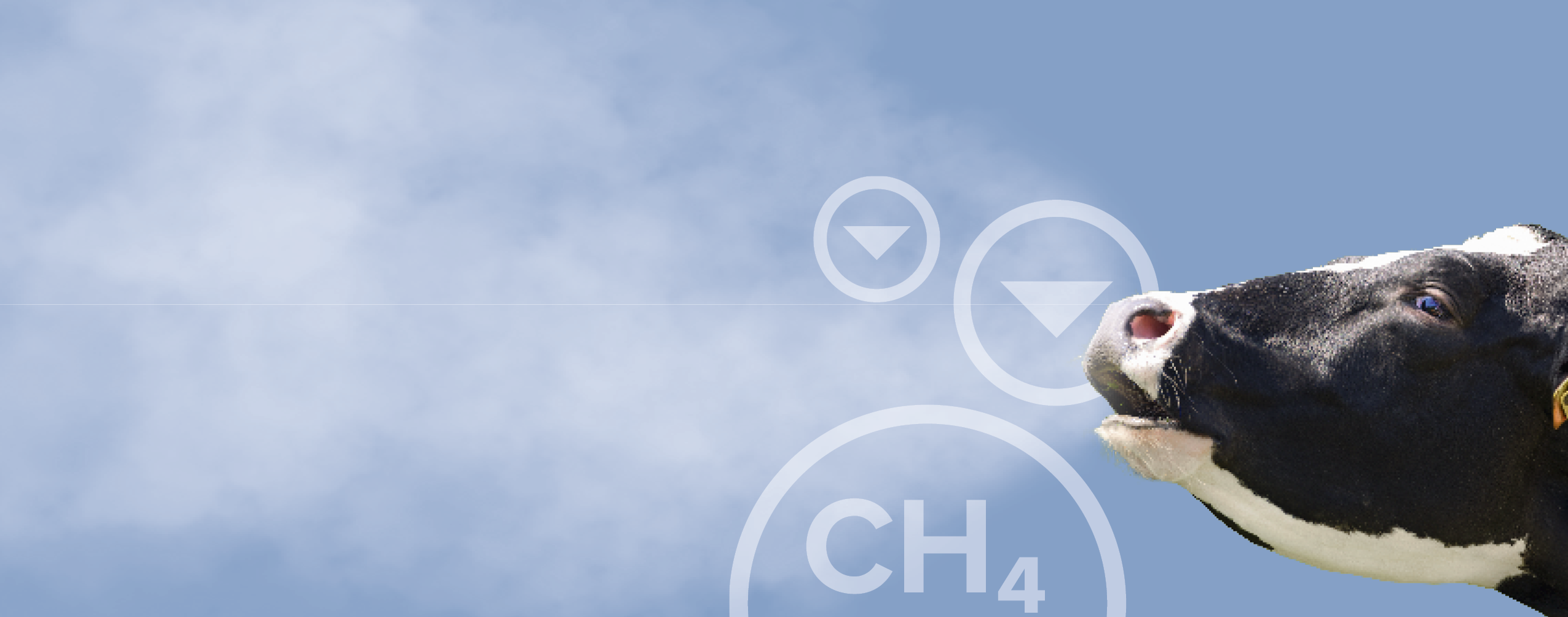
Methane (CH₄) is a strong greenhouse gas produced during digestion in ruminants and released mainly through belching. Although it stays in the atmosphere for a shorter time than CO₂, it has a much higher warming effect. Reducing methane emissions is therefore important for climate action and dairy sustainability.
Meeting Dairy Sustainability Demands
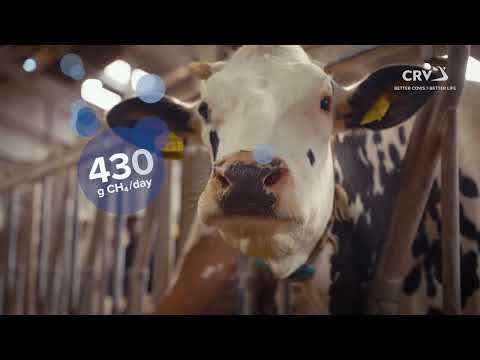
The dairy industry is under pressure to reduce its environmental impact, especially methane emissions, as emission regulations become stricter. By acting early, the sector can show responsibility, reduce criticism, and create new market opportunities. Growing demand for sustainable milk can also support greater stable farm incomes.
Breeding for Methane Reduction
Following years of research in the Climate Smart Cattle Breeding project by CRV, Wageningen University & Research (WUR), and FrieslandCampina—co-funded by the Dutch Ministry of Agriculture, Nature and Food Quality—a solution has been found to permanently reduce methane emissions from cattle.
It is possible to breed for herds that emit less methane. That’s why the cooperative CRV has introduced a methane breeding value based on measured differences in more than 14,000 cows. This gives dairy farmers a practical opportunity to help slow global warming through breeding.
CRV's Strategy
CRV supports dairy farmers with a breeding program focused on health and efficiency. By breeding healthier, more efficient cows with lower methane emissions, farmers contribute to sustainability while building herds that live longer, require less feed, and stay highly productive.
Benefit to Your Farm
Breeding for methane reduction offers several advantages for your dairy farm:
- Produce more sustainably: Lower methane emissions without extra investment.
-
Be future-ready: Stay ahead of tightening sustainability requirements.
-
Strengthen market position: Align with demand for lower-carbon milk and support farm income.