 Milking Efficiency
Robot Breeding Values
Robot Breeding
Values
- Milking Efficiency
- Improved Performance
- Control in breeding decisions
Optimizing Herds for Robotic Milking
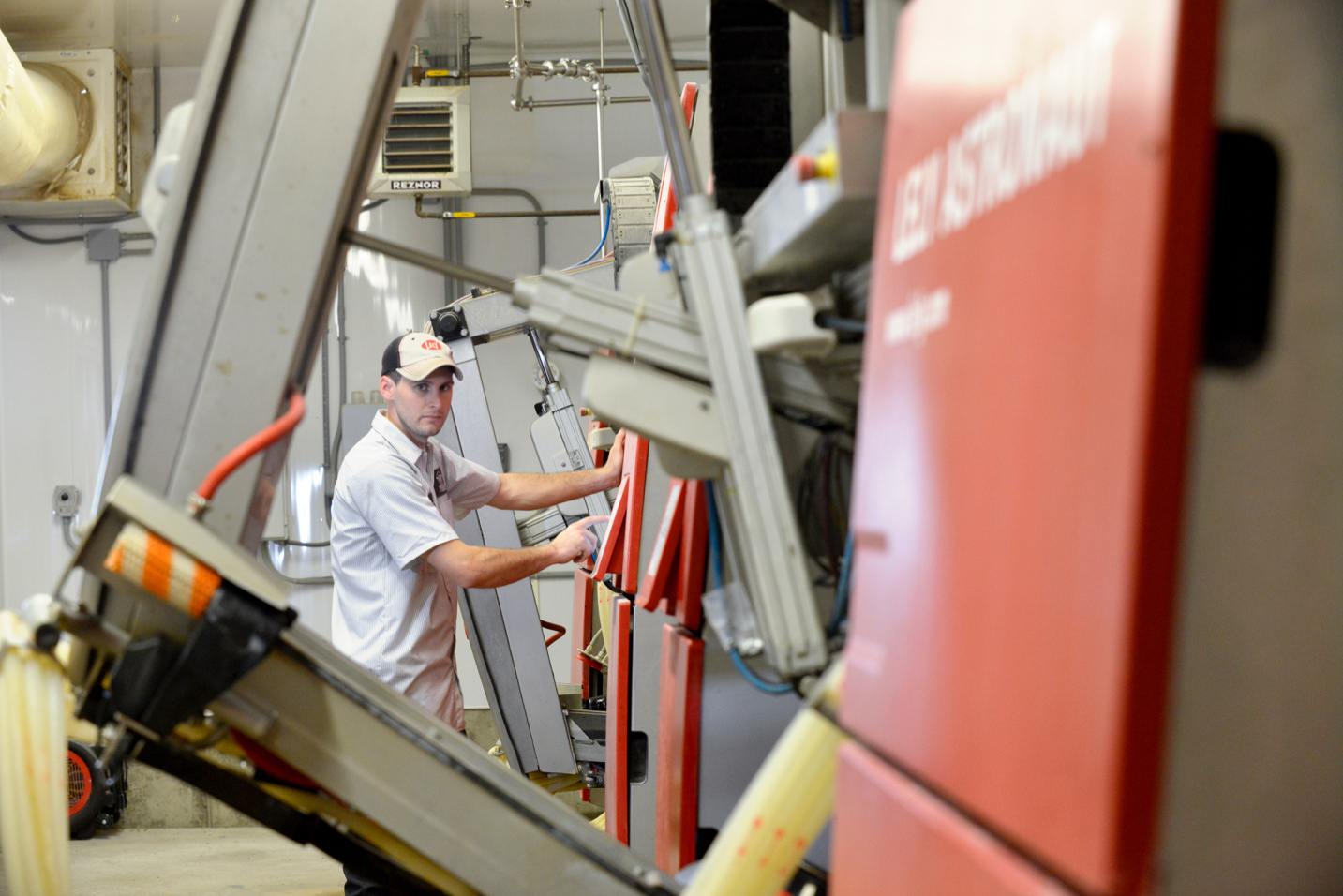
Deciding whether to build a new parlor or switch to an automatic milking system (AMS) is becoming a common question for dairy producers. With advances in robot technology, more farms are choosing milking robots over traditional systems.
Key traits for AMS efficiency include good milking efficiency, short fetch lists, and easy habituation. Since April 2016, US producers can use CRV robot breeding values to help select for these traits and improve AMS performance.
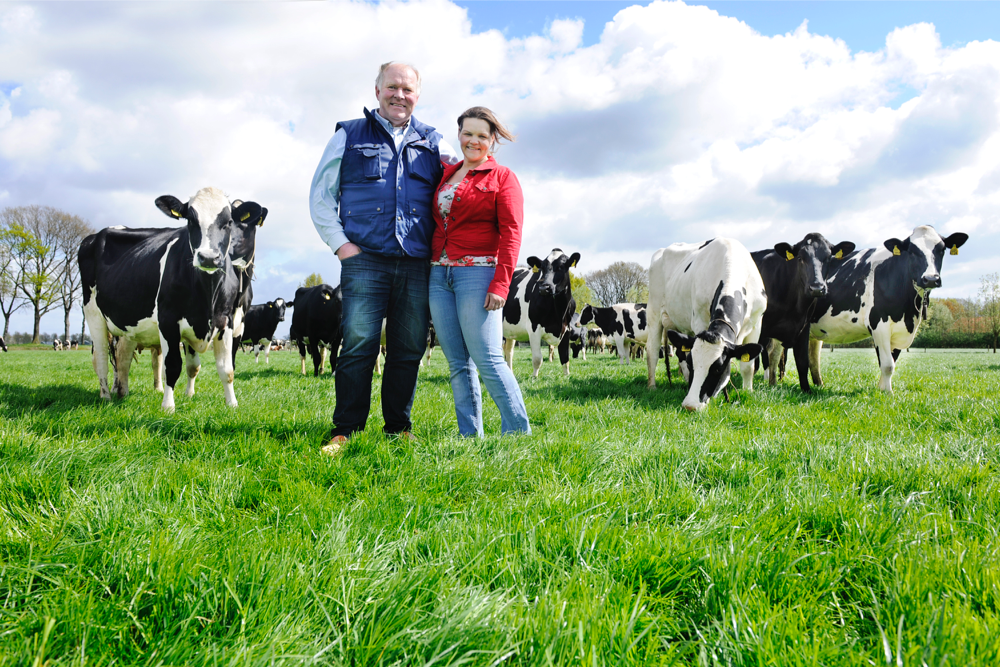
"Reliable breeding values are the basis for sustainable breeding."
Dairy farmers Jos and Ingrid Knoef, Geesteren, The Netherlands
How do the Breeding Values Work?
Using robot traits allows dairy producers to optimize herd performance in an AMS. Combined with selection for production and conformation, CRV USA robot breeding values give more control over breeding decisions.
The robot traits are expressed as four breeding values: Robot Index, Robot Efficiency, Robot Interval and Udder Balance. The CRV Robot Index helps farmers improve performance in automatic milking systems by combining key robot traits. Robot Efficiency measures how quickly and effectively a cow is milked in the robot, while Robot Interval reflects the time between milkings and consistency of robot visits. Udder Balance describes how evenly milk is distributed across the udder, supporting smoother and more efficient milking.
With AMS adoption growing rapidly, these breeding values are based on large-scale data from the Netherlands, including around 6 million robot milkings per week from 500,000 cows across 4,000+ farms—totaling over 600 million milkings and still increasing.
Benefits of Robot Breeding Values
Using robot traits allows dairy producers to optimize herd performance in an AMS. When combined with production and conformation traits, CRV USA robot breeding values give farmers greater control over their breeding decisions.
Also interesting for you:
Holstein Sire Directory Fall 2026
Download the Fall 2026 Holstein Sire Directory here